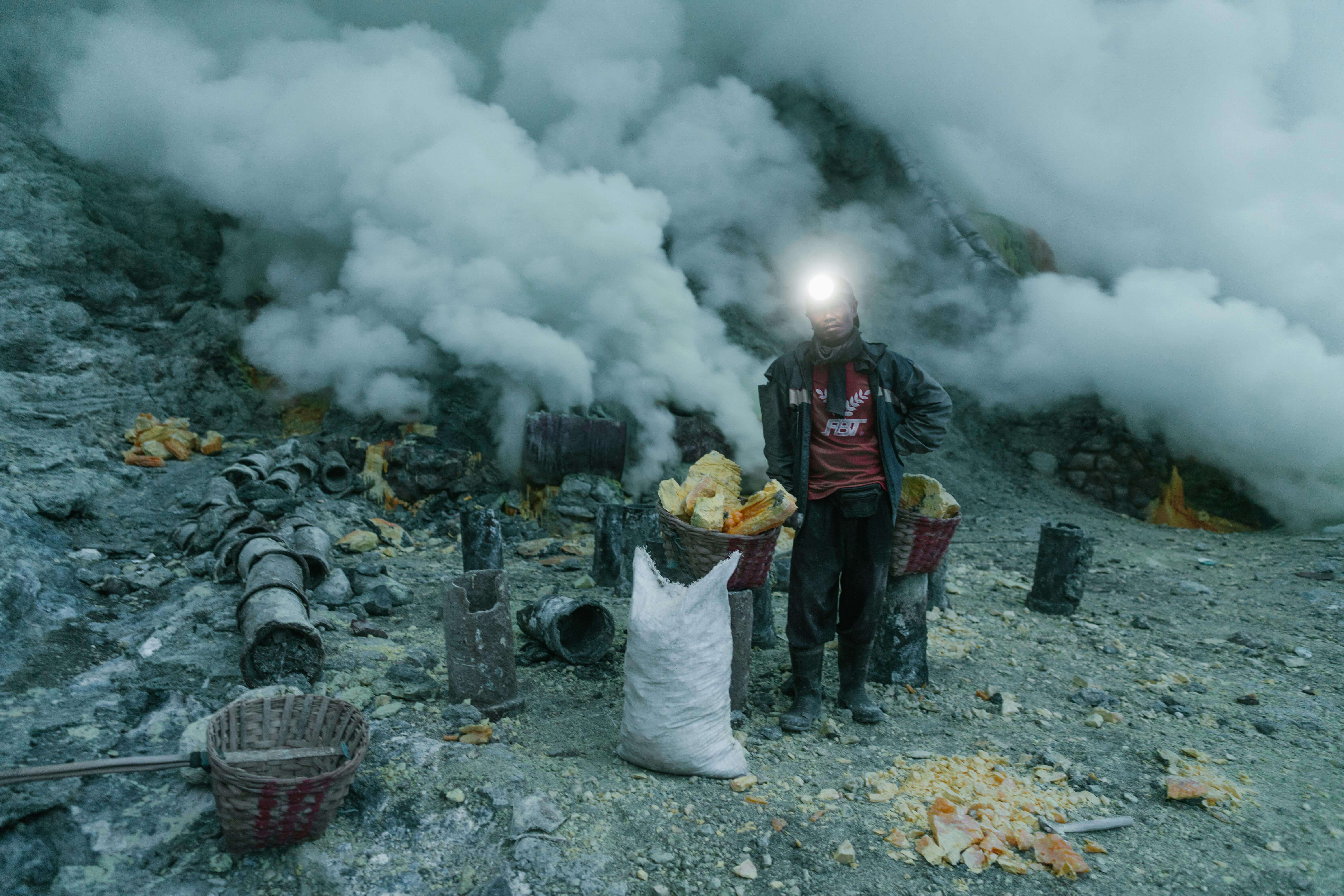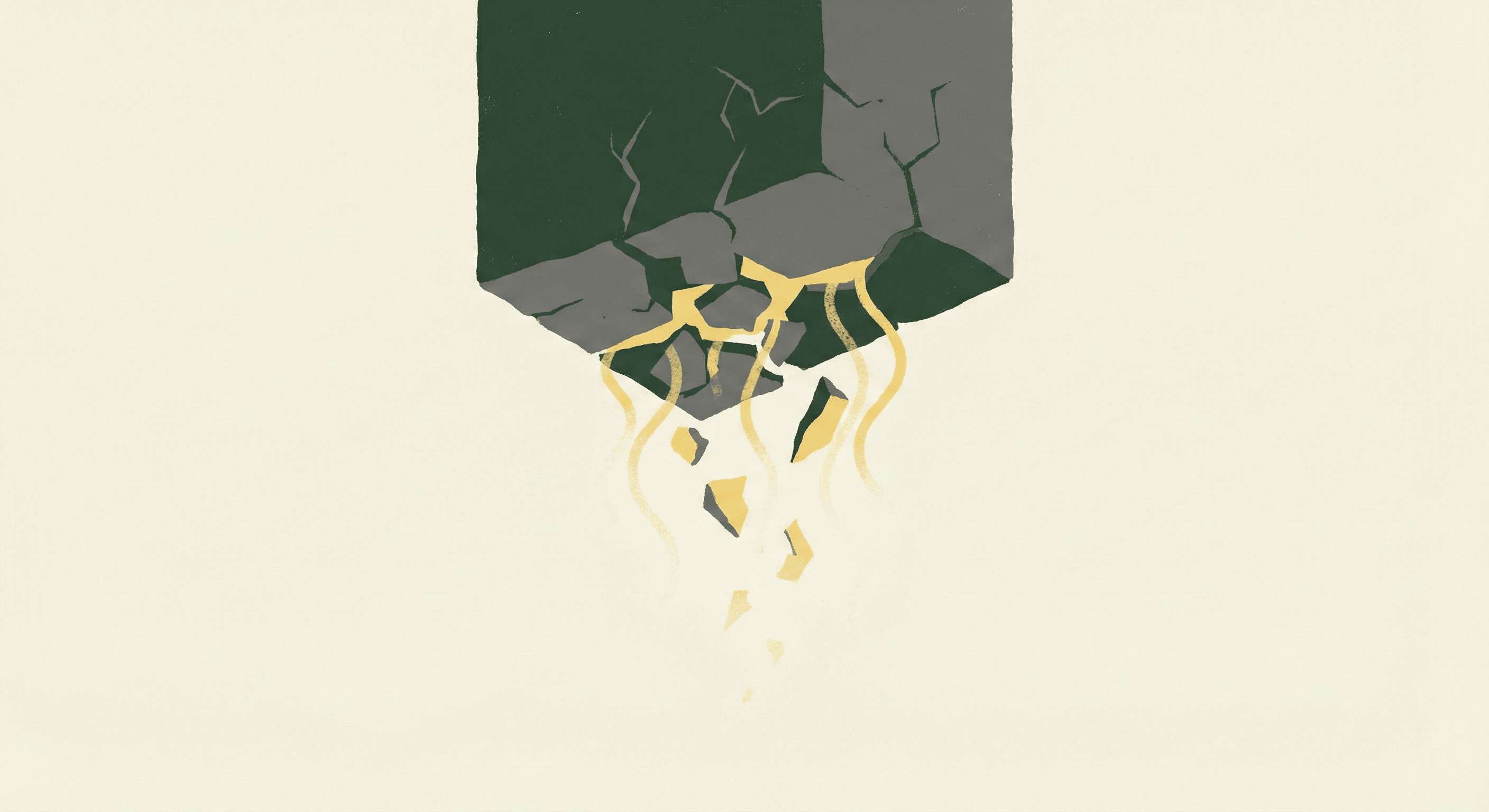
Cover image for The Psychology of Burnout: Why Even the Best Crash and How It Affects Us All

The Psychology of Burnout: Why Even the Best Crash and How It Affects Us All

  • Date 15 Jan 2026
  • Author Meerab
  • Editor Alizay F.
  • Read Time 3 min read
Tags
Burnout,  Employee Wellbeing,  Mental Health,  Workplace Culture,  HR,  Leadership 

Ever felt like you’re running on fumes, chugging your third coffee by 10 a.m., staring blankly at your screen, wondering why you even started this job? That’s not just a “rough week.” It might be burnout.

Burnout isn’t just being tired or stressed after a big project; it’s emotional, mental, and physical exhaustion that builds up over time when workplace stress never lets up. It’s what happens when Sunday dread becomes your weekly routine, when “just one more email” turns into midnight Slack messages, and when you go from passionate to numb.

Psychologically, burnout is like a slow leak in your mental fuel tank. At first, you think you’re fine, but eventually, you’re coasting on empty. The process is sneaky. Engaged employees, the ones who once said “I love what I do!”, gradually become cynical, detached, and begin to question their own worth.

Burnout is made up of three big dimensions:

Emotional exhaustion: You’re not just tired; you’re drained to the point where even small tasks feel overwhelming. Think of it as staring at your inbox like it’s a 1,000-piece puzzle.

Depersonalization: You start seeing people such as colleagues, clients, and even your boss as tasks or problems instead of humans. It’s when “collaboration” becomes “just one more meeting.”

Reduced sense of accomplishment: You’re doing the work, but it feels meaningless. You might catch yourself thinking, “Does any of this even matter?” even after finishing big milestones.

What’s Driving Us to Burn Out?

The causes aren’t just about long hours; they’re about mismatch. A mismatch between what you need and what the job gives.

Picture this:

  • You crave autonomy, but every decision needs five approvals.

  • You want balance, but your team celebrates whoever stays online the latest.

  • You value honesty, but your role requires spinning half-truths for clients.

  • You care about impact, but your work feels like busywork.

Add in relentless Zoom fatigue, email overload, constant pings, and blurred boundaries between “home” and “office” (thanks, remote work), and you have a perfect recipe for burnout.

Even the perks such as free snacks, ping pong tables, and traditional wellness apps do not fix the core issue. When the work demands more than you can sustainably give, no amount of kombucha on tap can make up for that.

The Cost of Burning Out

Burnout doesn’t just steal your energy; it chips away at your mental and physical health. It is linked to anxiety, depression, and insomnia, and can even strain your relationships outside work.
(“Why are you always exhausted?” “Because my job is eating my soul, that’s why.”)

For organizations, burnout means:

  • Lower productivity: Employees might be present, but mentally checked out.

  • Less creativity: It’s hard to think big when you’re just trying to survive.

  • Higher turnover: Good people leave, and replacing them costs a fortune.

  • Toxic culture: When burnout becomes the norm, the whole team suffers.

And let’s be honest. No one wants to work somewhere where “busy” is a badge of honor and taking time off feels like a crime.

Why Understanding This Matters

Burnout isn’t a personal failure; it’s a systemic problem. It happens when organizations forget that people are not machines. By understanding the psychology behind burnout, what drives it, and how it sneaks in, we can start designing workplaces that are sustainable, human-centered, and genuinely supportive.

Because at the end of the day, happy and healthy employees don’t just perform better. They stay, they care, and they create.

More

Insights
3 min read
Workplace Trust: How Transparency Drives Retention and Performance
Workplace trust and transparent communication help employees feel informed, respected, and psychologically safe. Here is how transparency improves employee well-being, retention, engagement, and performance.
27 Jun 2026
Insights
3 min read
Emotional Exhaustion at Work: Early Warning Signs Organizations Miss
Emotional exhaustion often appears before burnout becomes visible. Employees may still meet deadlines and attend meetings while quietly struggling with fatigue, detachment, and blurred work-life boundaries.
17 Jun 2026
Insights
3 min read
Manager Impact on Well-Being: Why Leadership Behavior Shapes Engagement
Managers shape far more than output. Their behavior directly affects psychological safety, burnout risk, engagement, retention, and innovation. Here is why leadership behavior is one of the strongest drivers of workplace well-being.
02 Jun 2026
Insights
4 min read
Psychological Safety at Work: Why Speaking Up Matters More Than Ever
Psychological safety is no longer optional. In modern workplaces, the ability to speak up, challenge ideas, and admit mistakes safely is critical to innovation, engagement, and long-term performance.
30 Apr 2026
Insights
3 min read
Human-Centered HR: Putting Employee Experience at the Core of Strategy
Human-centered HR moves beyond policies and administration to design work around real human behavior. By focusing on psychology, safety, belonging, and leading indicators of culture, organizations can turn employee experience into a strategic advantage.
21 Apr 2026
Insights
4 min read
Making Wellbeing Part of Everyday Work, Not Just a Program
Wellbeing is not built through perks or occasional programs. It becomes real when care is woven into daily habits, flexibility, communication, fairness, and the rhythm of everyday work.
23 Feb 2026
Insights
4 min read
Building a Workplace That Cares: How Small Actions Create Big Well-Being
A caring workplace is not built on grand programs or flashy perks. It grows from small, consistent actions that make employees feel seen, supported, and valued every day.
13 Feb 2026
Insights
4 min read
Measuring What Matters: How Healthy Cultures Keep Employees Engaged Long-Term
Engagement fades long before people quit. Healthy cultures sustain engagement by protecting employee wellbeing, building trust, and measuring the conditions that allow people to perform over time.
06 Feb 2026
Insights
3 min read
Spotting and Fixing Toxic Workplace Habits: A Guide for Modern Managers
Toxic workplaces are rarely loud at first. They grow from everyday leadership habits and cultural norms that quietly erode trust, safety, and motivation. Here is how managers can spot toxicity early and begin fixing it.
29 Jan 2026
Insights
4 min read
Beyond Paychecks: What Actually Drives Employee Motivation
Paychecks may bring people in, but they rarely keep them motivated. Purpose, autonomy, growth, belonging, and balance are what truly drive engagement, energy, and long-term commitment at work.
21 Jan 2026
Insights
3 min read
The Psychology of Burnout: Why Even the Best Crash and How It Affects Us All
Burnout is more than feeling tired or stressed. It is emotional, mental, and physical exhaustion that builds up when workplace pressure never lets up. Here is why it happens, how it shows up, and why it affects individuals and organizations alike.
15 Jan 2026
Insights
4 min read
Benefits of a Positive Workplace Environment: Why Culture Drives Performance
A positive workplace is not a perk. It is a performance multiplier. From productivity and creativity to loyalty, mental health, and long-term growth, healthy work environments help both people and organizations truly thrive.
11 Jan 2026
Insights
2 min read
How to Build a Workplace People Actually Want to Show Up To
A great workplace isn’t about perks—it’s where respect, trust, and psychological safety help people thrive. Here’s how leaders, culture, communication, and well-being work together to create a place people love to be.
06 Sept 2025
Insights
3 min read
Spotting and Fixing Toxic Workplace Habits: A Guide for Modern Managers
Toxic workplaces are rarely loud at first—they’re built from small patterns in leadership and culture that erode trust, safety, and motivation. Here’s how to spot those patterns early and replace them with practices that help people and performance thrive.
21 Aug 2025
Insights
6 min read
Trends in Mental Health Benefits: What Employees Want in 2024
In 2024, mental health in the workplace has become more critical than ever. Employees are not just looking for jobs; they're seeking environments where their well-being is a priority. This year, the trends in mental health benefits reflect a growing awareness of holistic well-being, accessible and personalized support, and the importance of work-life balance.
03 Jul 2024