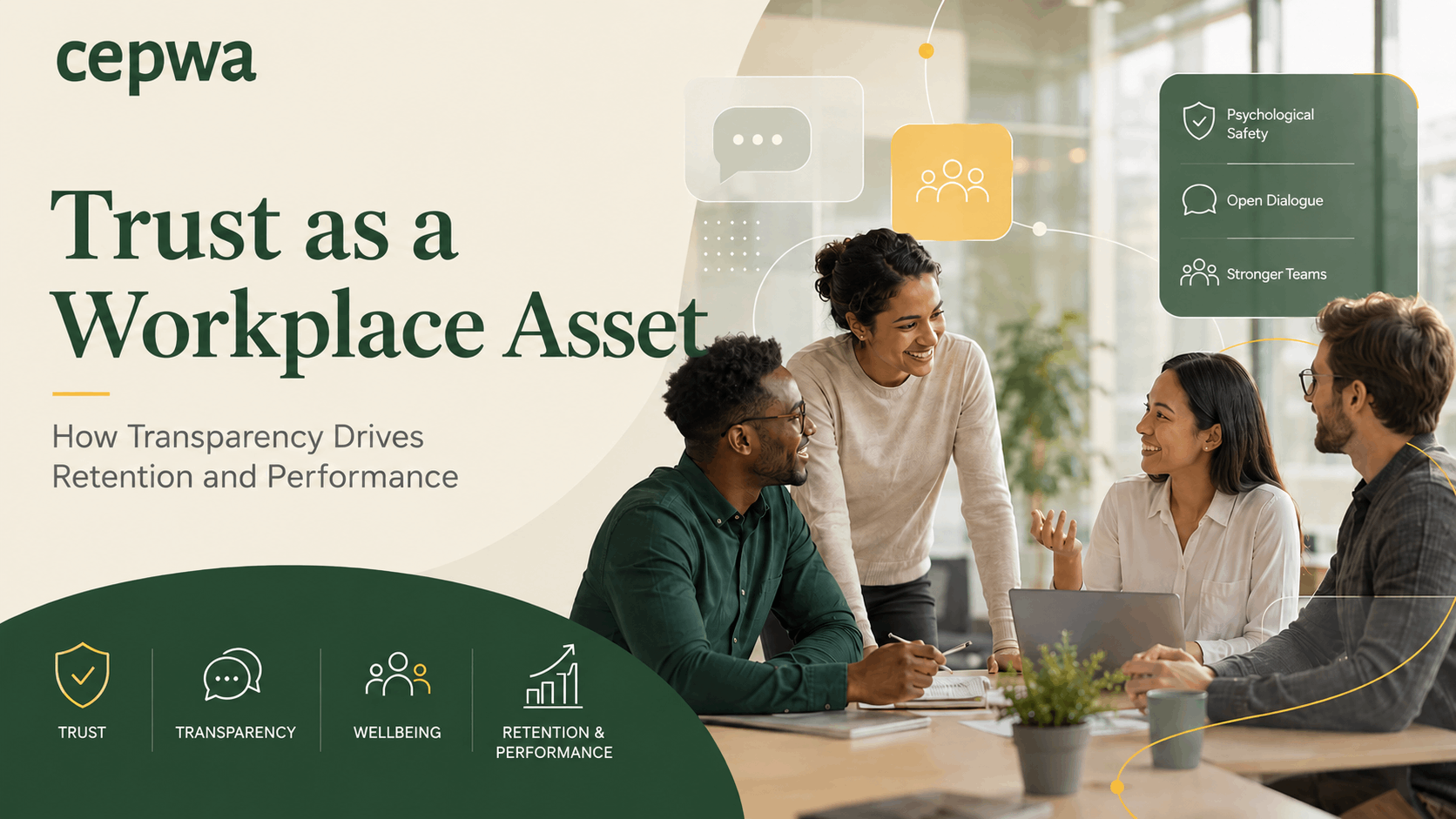
Ever noticed how a paycheck can get someone through the door, but not always through the day? Money matters, of course, but in today’s workplace it’s rarely the thing that keeps people engaged, energized, or loyal. Employees want more than a salary that shows up on time. They want purpose, balance, and a workplace that actually feels human.
The old “work hard, get paid, repeat” formula doesn’t cut it anymore. People are looking for something deeper, and the organizations that understand this are the ones building motivated, resilient, and genuinely happy teams.
What Really Makes Work Feel Worth It?
Let’s start with one of the strongest motivators: meaningful work. No one wants to feel like they’re pushing buttons just to push buttons. Employees want to see the impact of what they do, how their code improves someone’s life, how their ideas shape the product, and how their contribution actually matters.
When work connects to a bigger mission, motivation becomes natural. It’s the difference between saying “I’m just doing my job” and thinking, “This is something I’m proud of.”
Why Micromanagement Kills Motivation
Another major driver is autonomy. People want to be trusted to make decisions about their work. Nobody wakes up excited to be micromanaged or second-guessed at every step.
When employees have the freedom to decide how they approach problems, they feel ownership. That sense of ownership fuels confidence, creativity, and innovation. It sends a powerful message: “We hired you because we trust your judgment. Go use it.”
Growth Isn’t a Perk; It’s an Expectation
Today’s workforce isn’t interested in static roles or vague promises of promotion “someday.” People want to learn, stretch, and build real momentum in their careers.
Growth can look like:
- Taking on new responsibilities
- Learning new skills
- Having access to mentorship
- Seeing a clear path forward
When organizations invest in growth, they signal that employees are more than just a set of tasks. They’re evolving humans with potential. And when people feel invested in, they tend to invest right back.
Belonging: The Motivation Multiplier
None of this works without a sense of belonging. Employees want workplaces where they don’t have to perform professionalism all day long. They want to share ideas without being shut down, ask for help without feeling weak, and show up as themselves.
Belonging is the difference between logging in with dread and logging in with a genuine sense of connection. It’s what turns a job into a community.
The Role of Honest, Human Communication
Motivation thrives in environments where communication is open and clear. Employees want spaces where they can talk honestly about what’s working, what’s not, and what they need.
No guessing games. No tiptoeing around issues. Just real conversations that make people feel heard and respected.
Recognition Doesn’t Have to Be Complicated
One of the simplest and most powerful motivators is recognition. People don’t need grand gestures or shiny awards. They just want to know their effort wasn’t invisible.
A sincere “That was great work” or “I really appreciated how you handled that” can go a long way. When recognition is consistent and genuine, motivation naturally grows.
Motivation Can’t Survive Burnout
Even the most meaningful work loses its spark if people are exhausted. Employees today can spot grind culture from a mile away, and they’re no longer impressed by it.
They want balance, not burnout. Support, not constant pressure. Workplaces that prioritize mental health, reasonable workloads, and flexibility create environments where people can actually breathe, and when people can breathe, they perform better.
Why Clarity Keeps People Engaged
Finally, motivation depends heavily on clarity. When expectations are clear, roles make sense, and priorities aren’t constantly shifting, people can focus and do their best work.
Confusion drains energy. Clarity builds confidence, momentum, and satisfaction.
Motivation Is Human, Not Transactional
At the end of the day, motivation isn’t complicated, it’s human. People want meaning, growth, trust, connection, and clarity.
When organizations prioritize these things, employees don’t just show up. They show up energized, committed, and ready to contribute to something bigger. That’s where real motivation lives, not in the paycheck, but in the experience of feeling valued, understood, and supported at work.