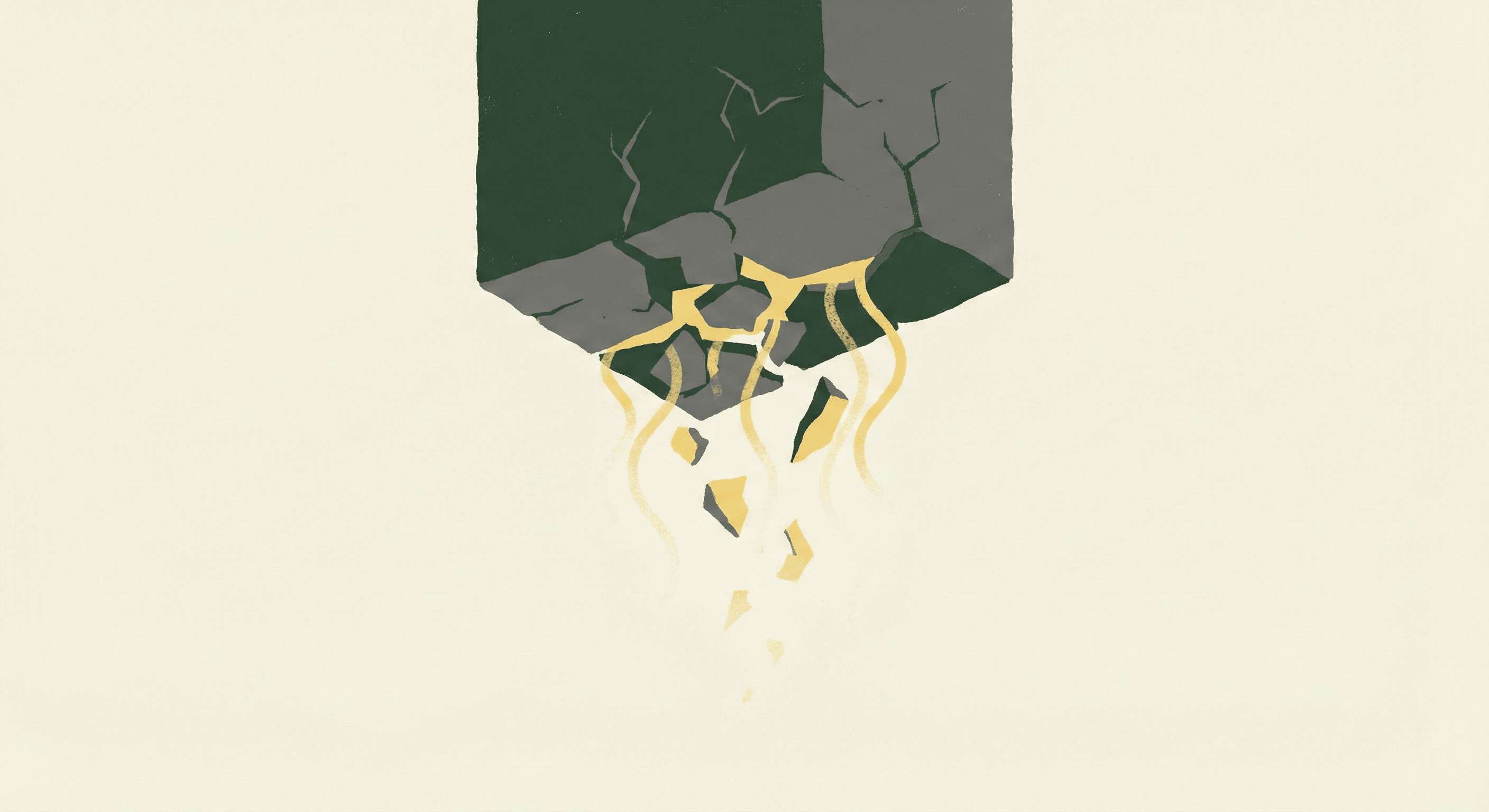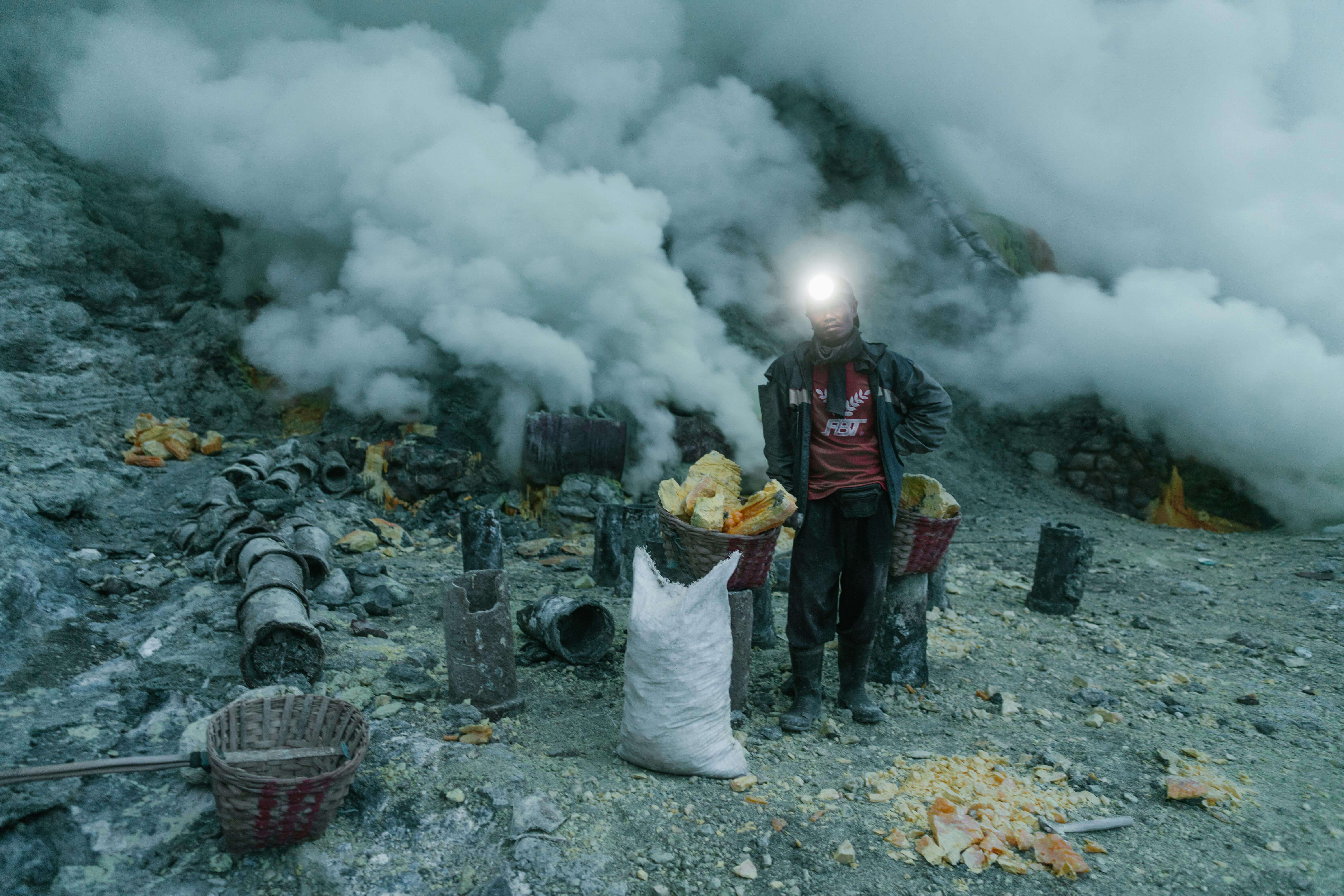
Cover image for Spotting and Fixing Toxic Workplace Habits: A Guide for Modern Managers

Spotting and Fixing Toxic Workplace Habits: A Guide for Modern Managers

  • Date 29 Jan 2026
  • Author Meerab
  • Editor Meerab.
  • Read Time 3 min read
Tags
Workplace Culture,  Leadership,  Employee Wellbeing,  Management,  HR,  Organizational Health 

We’ve all been in that team where Slack messages feel like landmines or meetings leave you more drained than inspired. That uneasy feeling often points to a toxic workplace environment (TWE). A TWE isn’t always loud or obvious, but it slowly chips away at trust, safety, and motivation hurting both people and the business.

Toxicity doesn’t just “happen” it grows out of specific patterns in leadership and culture. The good news is, these patterns can be spotted, understood, and changed.

Leadership Sets the Tone for Better or Worse

Leadership is the foundation of workplace culture.

When it’s toxic: Picture a manager who uses fear instead of inspiration belittling in front of others, micromanaging every detail, or twisting authority for personal gain. Over time, this creates chronic stress, erodes autonomy, and blocks creativity. Employees feel like survival is the only option.

When it’s healthy: Now imagine a leader who is transparent about decisions, empathetic when challenges arise, and committed to team well-being. These leaders model ethical behavior, empower people to take ownership, and celebrate wins. Instead of fear, the workplace runs on trust, morale rises, and performance follows.

In short, leaders can either be accelerators of growth or engines of stress.

The Habits We Normalize Shape the Workplace

Culture is more than mission statements it’s the habits and norms people live every day.

When it’s toxic: Think of a company that prizes profits over people, quietly encourages cutthroat competition, and turns a blind eye to unethical behavior. Over time, negative behaviors become “just how things are.” Employees hesitate to speak up, fearing retaliation. The bystander effect takes over, and people learn helplessness: “Why bother? Nothing changes anyway.” Hostility simmers beneath the surface.

When it’s healthy: Contrast this with a culture that rewards collaboration, values open communication, and treats mistakes as learning opportunities. Here, employees feel they belong. They aren’t just clocking in; they’re contributing to something bigger, and that alignment fuels motivation and creativity.

Culture decides whether people show up with energy or armor.

When Stress Spreads Innovation Slows

The impact of a toxic workplace doesn’t stop with a single unhappy employee. It ripples across the whole system.

On a psychological level, stress and anxiety spread like an emotional pandemic. Negativity travels from one person to the next, trust disappears, and collaboration becomes impossible.

On an organizational level, the costs are real. Stress leads to more errors, disengagement blocks innovation, and fear kills risk-taking. When employees are afraid to share new ideas, the organization loses its ability to adapt. Over time, intellectual frustration builds, and the company falls behind more agile competitors.

In other words: when people shut down, the organization breaks down.

Spotting and Fixing Toxic Habits

The first step in tackling toxicity is noticing it early. Signs include rising turnover, sudden dips in engagement, frequent conflicts, or a culture of silence where people no longer voice concerns. Managers who pay attention to these cues can intervene before problems spiral.

Fixing toxicity requires more than quick fixes. It means building systems where employees can safely share feedback, where accountability is applied consistently, and where mental well-being is treated as essential to performance. Encouraging open conversations, rewarding positive behavior, and creating access to confidential support can help turn things around.

Toxicity doesn’t vanish overnight, but with persistence, organizations can shift from dysfunction to resilience. A healthier culture not only protects employees but strengthens the organization’s ability to grow, adapt, and thrive.

More

Insights
3 min read
Workplace Trust: How Transparency Drives Retention and Performance
Workplace trust and transparent communication help employees feel informed, respected, and psychologically safe. Here is how transparency improves employee well-being, retention, engagement, and performance.
27 Jun 2026
Insights
3 min read
Emotional Exhaustion at Work: Early Warning Signs Organizations Miss
Emotional exhaustion often appears before burnout becomes visible. Employees may still meet deadlines and attend meetings while quietly struggling with fatigue, detachment, and blurred work-life boundaries.
17 Jun 2026
Insights
3 min read
Manager Impact on Well-Being: Why Leadership Behavior Shapes Engagement
Managers shape far more than output. Their behavior directly affects psychological safety, burnout risk, engagement, retention, and innovation. Here is why leadership behavior is one of the strongest drivers of workplace well-being.
02 Jun 2026
Insights
4 min read
Psychological Safety at Work: Why Speaking Up Matters More Than Ever
Psychological safety is no longer optional. In modern workplaces, the ability to speak up, challenge ideas, and admit mistakes safely is critical to innovation, engagement, and long-term performance.
30 Apr 2026
Insights
3 min read
Human-Centered HR: Putting Employee Experience at the Core of Strategy
Human-centered HR moves beyond policies and administration to design work around real human behavior. By focusing on psychology, safety, belonging, and leading indicators of culture, organizations can turn employee experience into a strategic advantage.
21 Apr 2026
Insights
4 min read
Making Wellbeing Part of Everyday Work, Not Just a Program
Wellbeing is not built through perks or occasional programs. It becomes real when care is woven into daily habits, flexibility, communication, fairness, and the rhythm of everyday work.
23 Feb 2026
Insights
4 min read
Building a Workplace That Cares: How Small Actions Create Big Well-Being
A caring workplace is not built on grand programs or flashy perks. It grows from small, consistent actions that make employees feel seen, supported, and valued every day.
13 Feb 2026
Insights
4 min read
Measuring What Matters: How Healthy Cultures Keep Employees Engaged Long-Term
Engagement fades long before people quit. Healthy cultures sustain engagement by protecting employee wellbeing, building trust, and measuring the conditions that allow people to perform over time.
06 Feb 2026
Insights
3 min read
Spotting and Fixing Toxic Workplace Habits: A Guide for Modern Managers
Toxic workplaces are rarely loud at first. They grow from everyday leadership habits and cultural norms that quietly erode trust, safety, and motivation. Here is how managers can spot toxicity early and begin fixing it.
29 Jan 2026
Insights
4 min read
Beyond Paychecks: What Actually Drives Employee Motivation
Paychecks may bring people in, but they rarely keep them motivated. Purpose, autonomy, growth, belonging, and balance are what truly drive engagement, energy, and long-term commitment at work.
21 Jan 2026
Insights
3 min read
The Psychology of Burnout: Why Even the Best Crash and How It Affects Us All
Burnout is more than feeling tired or stressed. It is emotional, mental, and physical exhaustion that builds up when workplace pressure never lets up. Here is why it happens, how it shows up, and why it affects individuals and organizations alike.
15 Jan 2026
Insights
4 min read
Benefits of a Positive Workplace Environment: Why Culture Drives Performance
A positive workplace is not a perk. It is a performance multiplier. From productivity and creativity to loyalty, mental health, and long-term growth, healthy work environments help both people and organizations truly thrive.
11 Jan 2026
Insights
2 min read
How to Build a Workplace People Actually Want to Show Up To
A great workplace isn’t about perks—it’s where respect, trust, and psychological safety help people thrive. Here’s how leaders, culture, communication, and well-being work together to create a place people love to be.
06 Sept 2025
Insights
3 min read
Spotting and Fixing Toxic Workplace Habits: A Guide for Modern Managers
Toxic workplaces are rarely loud at first—they’re built from small patterns in leadership and culture that erode trust, safety, and motivation. Here’s how to spot those patterns early and replace them with practices that help people and performance thrive.
21 Aug 2025
Insights
6 min read
Trends in Mental Health Benefits: What Employees Want in 2024
In 2024, mental health in the workplace has become more critical than ever. Employees are not just looking for jobs; they're seeking environments where their well-being is a priority. This year, the trends in mental health benefits reflect a growing awareness of holistic well-being, accessible and personalized support, and the importance of work-life balance.
03 Jul 2024