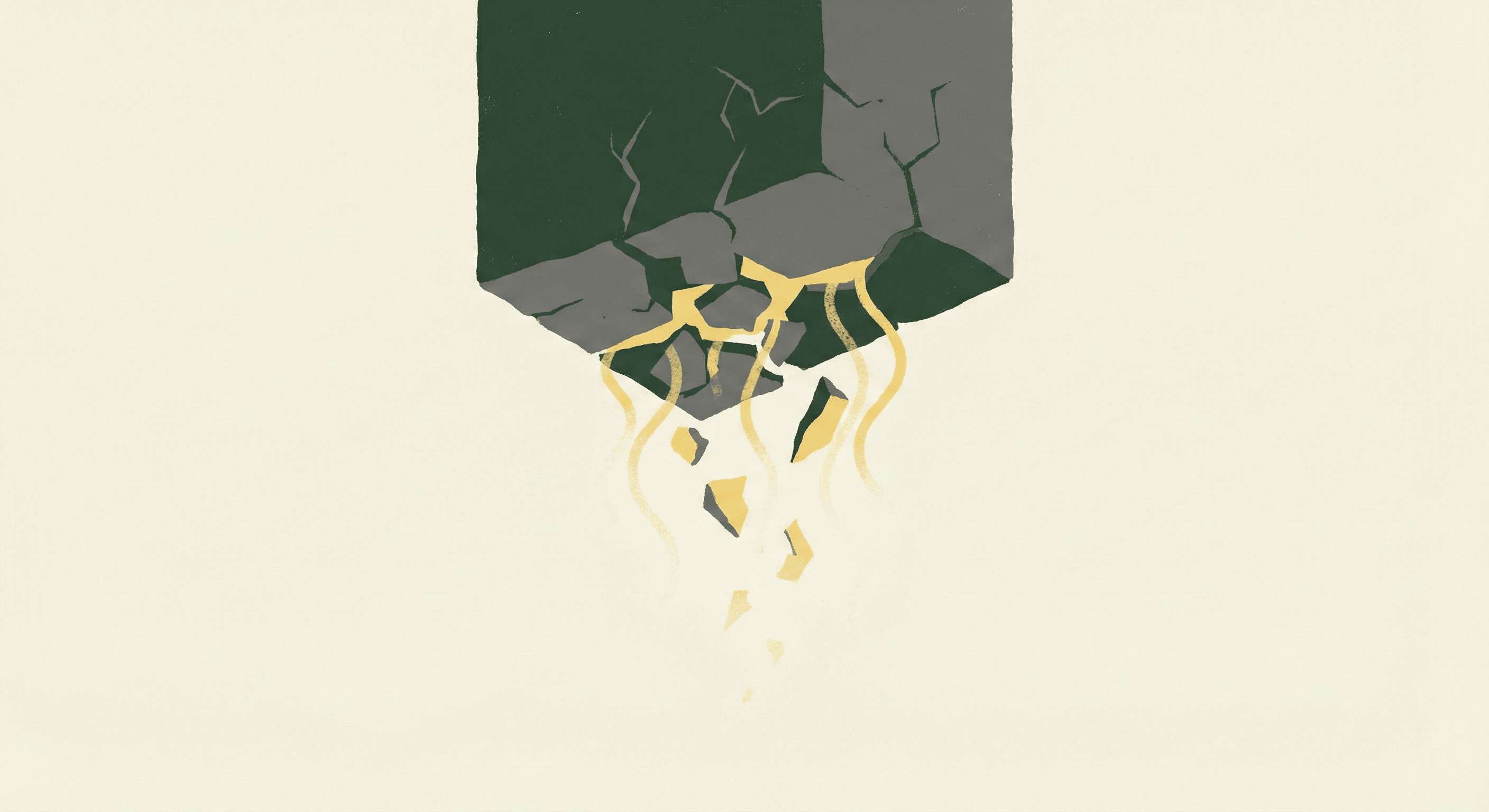
Ever notice how “wellbeing programs” often feel like a checklist rather than a lifeline? Free yoga on Fridays, mental health webinars, or ping pong tables look great on paper, but if the day- to-day culture doesn’t support wellbeing, they’re just frosting on a cake that’s still half-baked.
The truth is, wellbeing isn’t a program, it’s a mindset. It’s what happens when care becomes part of the everyday flow of work, not an occasional event or a poster on the wall.
Start With Small, Everyday Habits
Wellbeing doesn’t need grand gestures, it thrives in small, consistent habits.
Simple actions like managers checking in with employees beyond tasks, teams taking five minutes to stretch during a marathon meeting, or leaders modeling work-life balance by turning off email notifications after hours can have a massive impact.
Think of wellbeing as a plant: it doesn’t grow from one weekend workshop, but from daily watering, sunlight, and care. When these small behaviors become routine, employees feel supported naturally, not artificially.
Embed Flexibility Into the DNA of Work
Flexibility isn’t just a perk anymore; it’s essential. It’s not about letting people “work from home” once a week, it’s about trusting employees to manage their own schedules, set boundaries, and work in ways that suit their lives.
Imagine a workplace where deadlines are flexible when life happens, where parents, caregivers, or anyone with outside responsibilities don’t feel guilty for needing adjustments.
When organizations embed flexibility into policies and culture, stress drops, productivity rises, and loyalty deepens. Wellbeing becomes a built-in part of how work is done.
Make Connection Non-Negotiable
Human connection is the unsung hero of everyday wellbeing.
Check-ins shouldn’t be limited to “how’s your task going?” They should be “how are you really doing?”, and leaders must mean it.
Teams that regularly take time to celebrate small wins, recognize contributions, or just share real moments of life create a culture where employees feel valued beyond their output. These micro-moments of connection build emotional resilience, strengthen trust, and turn workplaces from transactional spaces into communities.
Measure What Matters
Many wellbeing programs measure participation rates or satisfaction surveys, but that’s not enough.
Organizations need to track the day-to-day realities: Are workloads manageable? Are employees able to take breaks without guilt? Do they feel supported when life happens?
Collecting this type of feedback consistently allows leaders to make real adjustments, turning wellbeing from a static program into a living, evolving part of the work experience.
Shift the Narrative Around Success
One of the biggest barriers to everyday wellbeing is a culture that rewards constant hustle. In many workplaces, “busy” is a badge of honor, and taking time off is frowned upon.
To truly integrate wellbeing, organizations must redefine what success looks like. Productivity should not be measured by hours logged but by meaningful output, creativity, and sustainable performance.
Encouraging employees to recharge, setting realistic deadlines, and modeling balance at the top signals that wellbeing isn’t optional, it’s essential.
Support Growth and Purpose
Wellbeing thrives when employees feel purpose and progress.
HR and leaders can embed this by ensuring people understand the impact of their work, have opportunities to learn new skills, and can align their tasks with what energizes them.
When employees feel their work matters and they’re growing, stress naturally decreases, engagement rises, and overall wellbeing improves.
Wellbeing as a Daily Rhythm
Imagine walking into an office, or logging onto a virtual workspace, where wellbeing is woven into every interaction, not just scheduled once a month.
Where leadership meetings start with a brief check-in on teams’ energy, not just KPIs. Where employees feel safe to ask for help, set boundaries, and pause when needed.
That’s the shift from “wellbeing program” to “wellbeing as a way of work.” Small, intentional actions, done consistently, create a culture where employees thrive because care is built into the rhythm of daily work.
The Takeaway
Wellbeing isn’t a one-off event. It’s the cumulative effect of culture, daily practices, and leadership choices.
Free wellness apps and Friday yoga sessions are nice, but they’re not enough. True workplace wellbeing happens when care becomes part of how work is done, every day:
-
Flexibility that respects life
-
Micro-moments of connection
-
Sustainable workload
-
Meaningful work
-
Leaders who model balance
When organizations make wellbeing part of the everyday, everyone wins: employees feel supported, engaged, and valued, and the organization reaps the benefits of productivity, loyalty, and innovation.
Wellbeing stops being a checkbox and becomes the heart of the workplace.