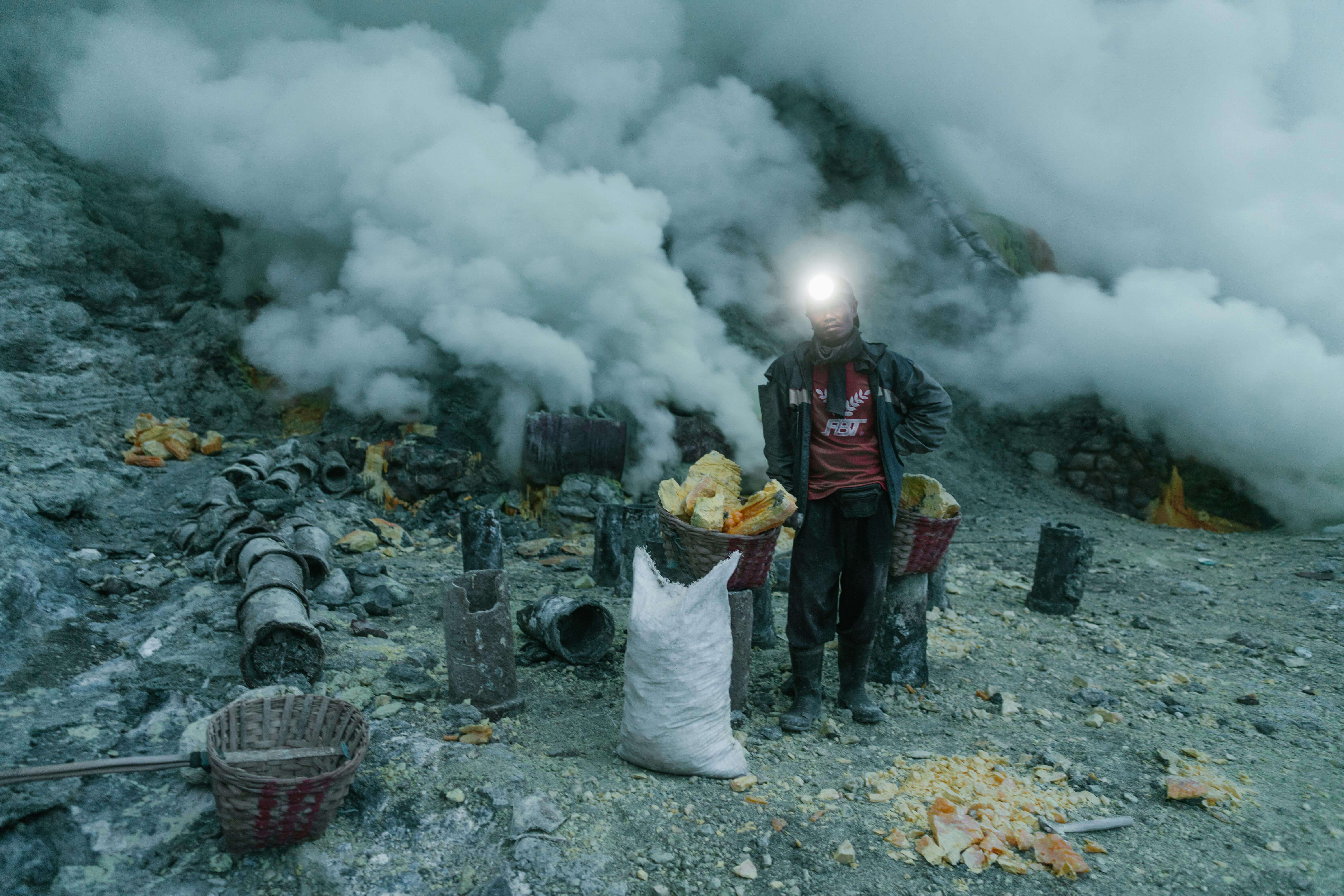
We’ve all worked on teams where Slack pings feel like landmines or meetings leave you more drained than inspired. That uneasy feeling often points to a toxic workplace environment (TWE). A TWE isn’t always obvious, but it steadily chips away at trust, safety, and motivation—hurting both people and the business.
Toxicity doesn’t just “happen”—it grows out of specific patterns in leadership and culture. The good news: these patterns can be spotted, understood, and changed.
Leadership Sets the Tone—For Better or Worse
Leadership is the foundation of workplace culture.
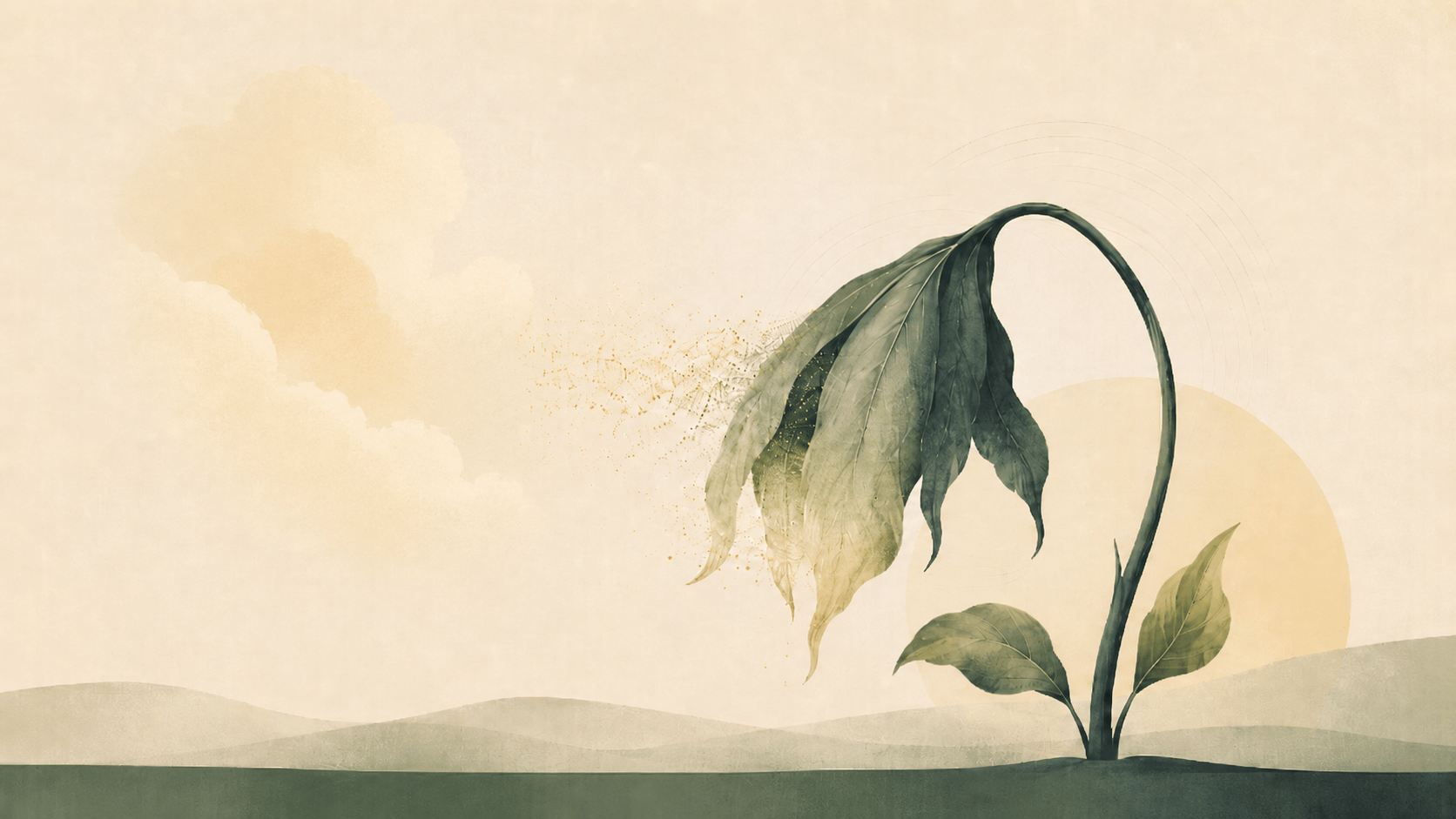
When it’s toxic: Picture a manager who leads through fear—belittling people in front of others, micromanaging every detail, or twisting authority for personal gain. Over time, this creates chronic stress, erodes autonomy, and blocks creativity. Employees shift into survival mode.
When it’s healthy: Now imagine a leader who is transparent about decisions, empathetic when challenges arise, and committed to team well-being. These leaders model ethical behavior, empower ownership, and celebrate wins. Trust replaces fear, morale rises, and performance follows.
Bottom line: Leaders can be accelerators of growth—or engines of stress.
The Habits We Normalize Shape the Workplace
Culture is more than mission statements—it’s the habits and norms people live every day.
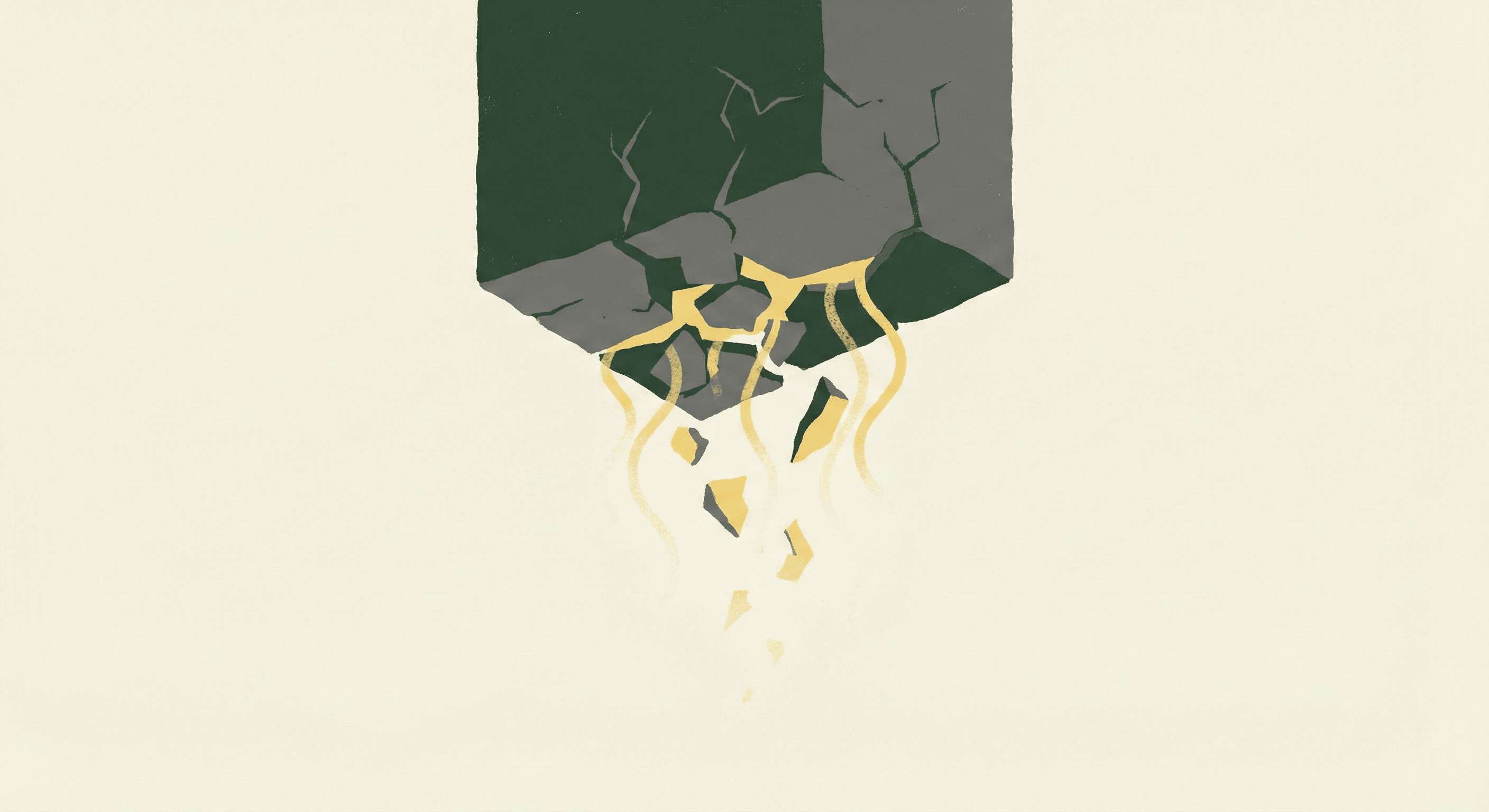
When it’s toxic: A company prizes profits over people, quietly encourages cutthroat competition, and turns a blind eye to unethical behavior. Negative behaviors become “just how things are.” People hesitate to speak up, fearing retaliation. The bystander effect takes over, and learned helplessness sets in: “Why bother? Nothing changes anyway.”
When it’s healthy: A culture rewards collaboration, values open communication, and treats mistakes as learning opportunities. People feel they belong. They aren’t just clocking in; they’re contributing to something bigger—and that alignment fuels motivation and creativity.
Bottom line: Culture decides whether people show up with energy or with armor.
When Stress Spreads, Innovation Slows
Toxicity doesn’t stop with one unhappy employee—it ripples across the system.
- Psychological impact: Stress and anxiety spread like an emotional pandemic. Negativity travels, trust disappears, and collaboration collapses.
- Organizational impact: Errors increase, disengagement blocks innovation, and fear kills smart risk-taking. When people are afraid to share ideas, adaptability dies—and competitors pull ahead.
In other words: When people shut down, the organization breaks down.
Spotting and Fixing Toxic Habits
The first step is noticing early. Watch for:
- Rising turnover and absenteeism
- Sudden dips in engagement or productivity
- Frequent conflicts or passive aggression
- A culture of silence where concerns go unvoiced
Fixing toxicity requires more than quick fixes. Build systems that make healthy behavior the default:
-
Create safe feedback loops
- Offer multiple channels (1:1s, anonymous forms, listening sessions).
- Close the loop: acknowledge, act, and report back.
-
Apply accountability consistently
- Define clear behavioral standards.
- Address violations promptly—regardless of title or tenure.
-
Strengthen manager fundamentals
- Train for coaching, expectation-setting, and conflict resolution.
- Replace micromanagement with clear goals, autonomy, and support.
-
Protect mental well-being
- Normalize PTO, reasonable workloads, and flexible work where possible.
- Provide access to confidential support and reinforce psychological safety.
-
Reward the right behaviors
- Recognize collaboration, integrity, and learning from mistakes.
- Make exemplary team behaviors visible and repeatable.
Toxicity won’t vanish overnight, but with persistence, organizations can shift from dysfunction to resilience. A healthier culture protects people—and strengthens the organization’s ability to grow, adapt, and thrive.