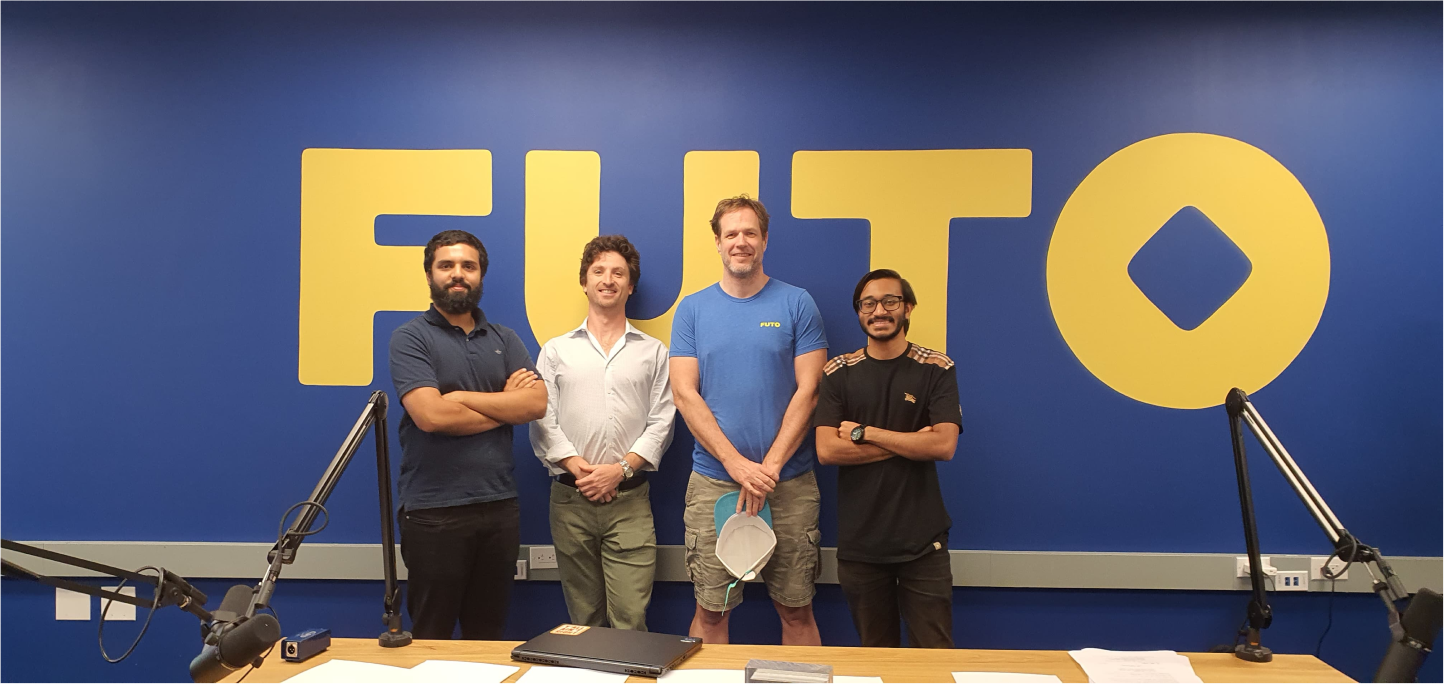
After a small team meeting recently, I found myself thinking about something that has shaped almost every team I have built.
Trust.
Building multiple startups has taught me that trust is usually one of the strongest indicators of whether someone will truly fit into a team. Not just whether they are capable, but whether they can work openly, honestly, and comfortably with the people around them.
Technical ability, experience, and speed all matter. But I have seen enough talented people struggle in the wrong environment to know that none of those things create real value without trust.
A person can be highly capable, but if they do not feel safe enough to ask questions, admit uncertainty, raise problems early, or speak honestly, their ability to contribute becomes limited.
Not because they lack talent, but because the environment around them does not allow that talent to come through fully.
That is why I have come to see workplace trust as more than a culture value. It is part of how a team actually operates.
Trust Has to Work Both Ways
One of the biggest lessons I have learned is that trust cannot be one-sided.
A company has to trust its people.
People have to trust the company.
Teams have to trust that information can move openly, honestly, and without fear.
When this foundation is missing, people start managing perception instead of solving problems.
Someone may be struggling with a work issue but hesitate to raise it. Someone may need support but worry that asking for help will be held against them. Someone may have a personal situation and feel they need to justify every detail instead of simply being trusted.
In those moments, the issue itself is not always the biggest problem. The bigger problem is that the person does not feel safe enough to share it early.
And when problems stay hidden, they rarely disappear. They usually become bigger, more expensive, and harder to solve later.
When Trust Is Strong, Teams Move Differently
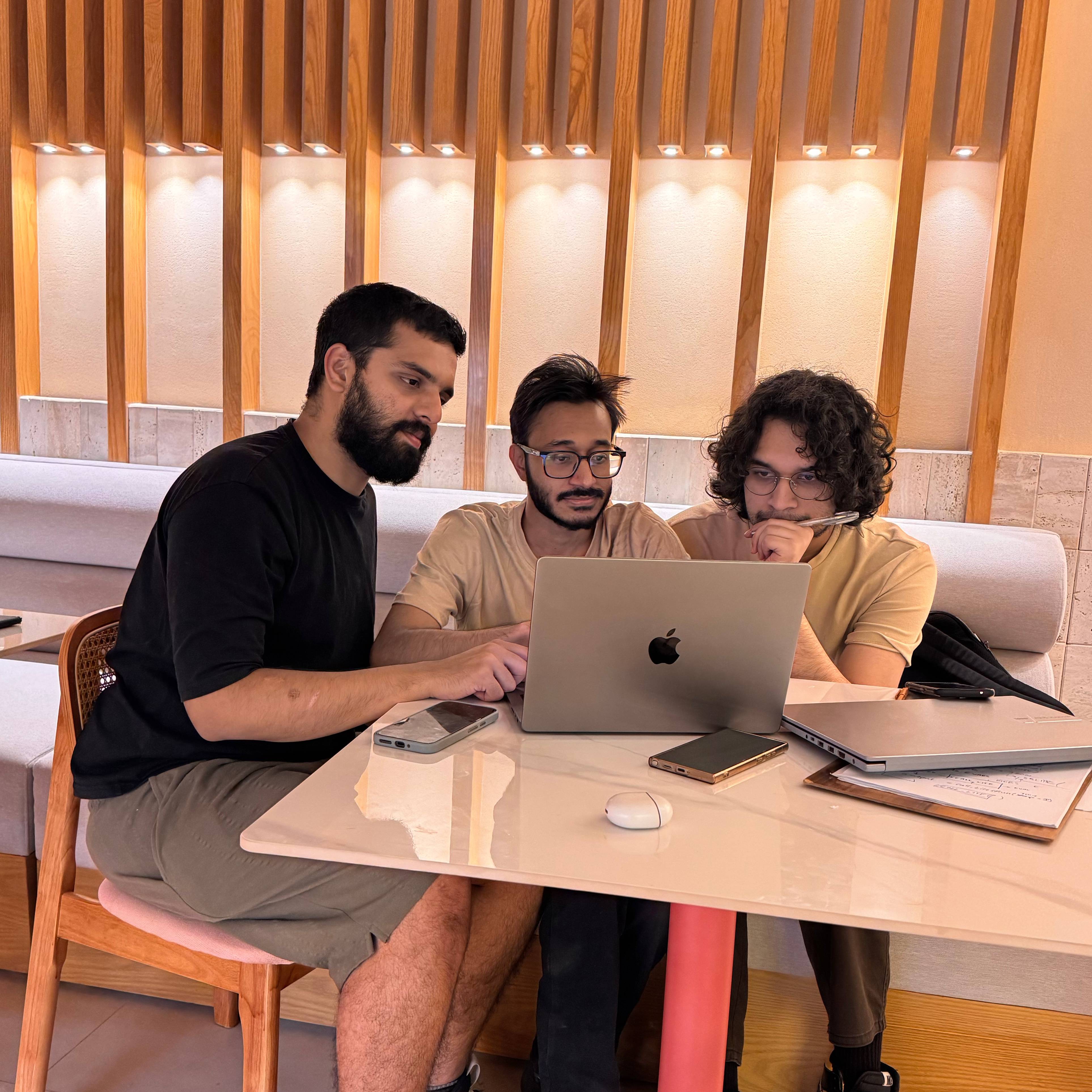
When trust is strong, the whole team works with less friction.
People speak up earlier.
Problems get solved faster.
Feedback becomes easier.
Support becomes normal.
Small issues do not need to turn into big ones before anyone notices.
This matters even more in startups, where things move quickly and there is rarely enough time to over-manage every detail. You need people who can communicate honestly, take ownership, and tell you when something is not working before it becomes a crisis.
But that only happens when the culture makes honesty feel safe.
When trust is missing:
- Mistakes get hidden instead of fixed.
- Personal issues stay unspoken until they affect the work.
- Concerns are mistaken for negativity.
- Feedback becomes harder to give and harder to receive.
- The organization loses important information before it can act on it.
Over time, the team loses the very signals it needs to improve.
Trust Is Also a Retention Strategy
I have also learned that once trust is built properly, people tend to stay.
Not because everything is perfect. Not because there are never difficult days. But because they feel respected, heard, and safe enough to do meaningful work.
People do not only stay for compensation or titles. Those things matter, but they are not the whole picture.
People are more likely to stay in environments where:
- Honesty feels safe.
- Support is normal during difficult moments.
- Leadership listens before judging.
- People are not measured only by output.
- Employees feel understood as human beings, not just as roles.
That is why trust has a direct connection to employee retention, employee wellbeing, psychological safety, and performance.
It shapes how people communicate. It shapes how quickly problems surface. It shapes whether people feel safe enough to contribute fully.
The Founder Lesson
For me, the biggest lesson is simple: trust is not something you can create by writing it into company values.
It is built through repeated behavior.
Trust grows when leaders:
- Explain decisions clearly.
- Make it safe to raise problems early.
- Support people without making them feel small.
- Follow through on what they say.
- Treat honesty as useful information, not a threat.
And trust is lost the same way, through small repeated moments where people learn that honesty is risky.
As a founder, I think about this a lot because the early culture of a company becomes the foundation everything else grows from. The way people communicate in the beginning becomes the way teams solve problems later. The way trust is handled early becomes the standard others inherit.
This is also one of the reasons we think about workplace wellbeing so deeply at CEPWA. A healthy workplace is not only about benefits, policies, or occasional check-ins. It is about whether people feel safe enough to share what is really happening before small issues become serious problems.
Trust is not soft.
It is one of the most important parts of building a healthy, high-performing workplace.