
Emotional Exhaustion at Work: Early Warning Signs Organizations Miss
Not every struggling employee looks burned out.
Some still meet deadlines, attend meetings, and appear “fine”, while quietly running on emotional exhaustion.
In modern workplaces, constant pressure, endless notifications, and blurred work-life boundaries have made emotional fatigue increasingly common. The problem is that organizations often notice it too late.
What Emotional Exhaustion Actually Looks Like
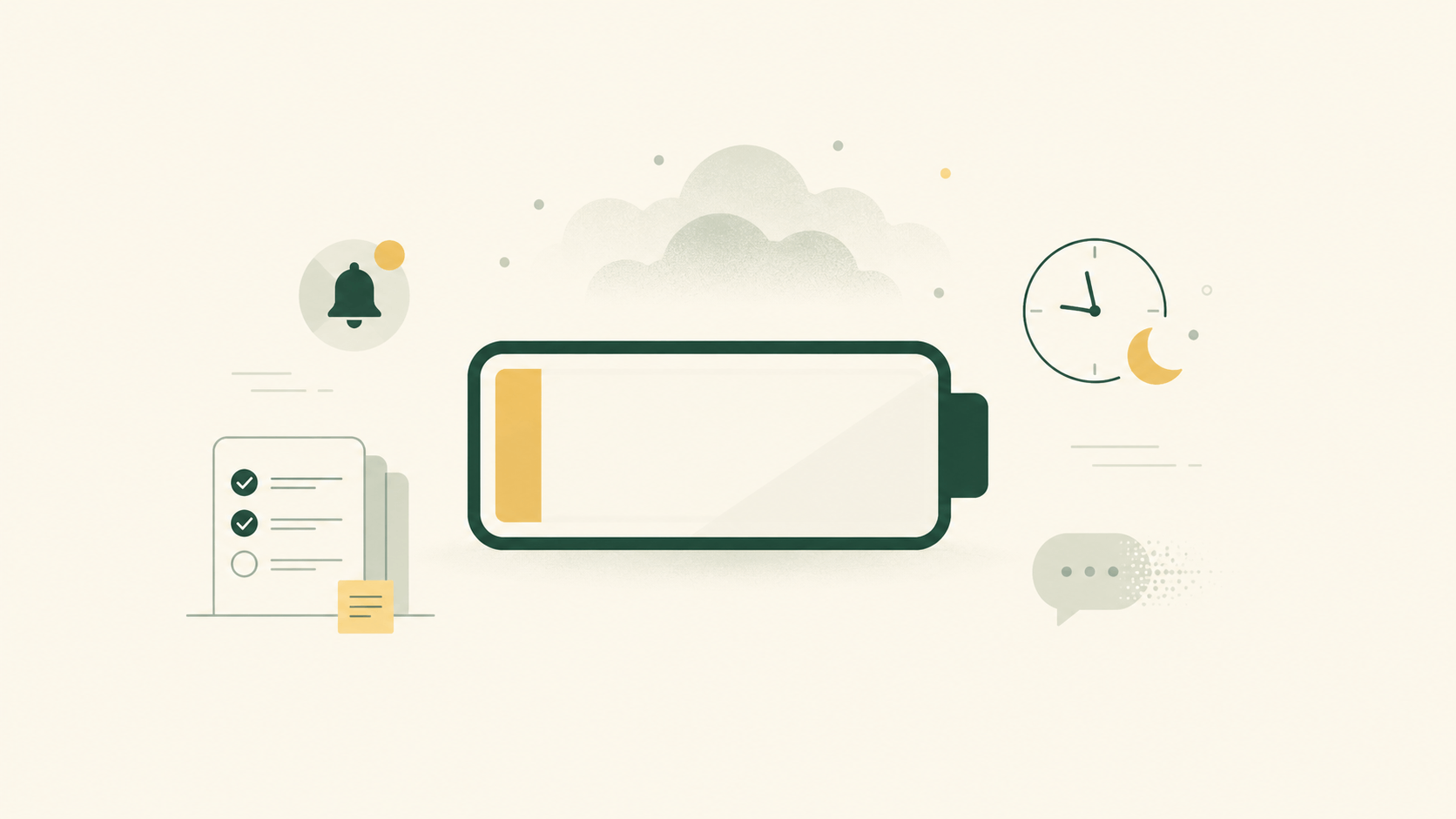
Emotional exhaustion is more than stress. It is the feeling of being mentally and emotionally drained for a prolonged period of time.
Early warning signs often include:
- Constant fatigue, even after rest
- Irritability or emotional detachment
- Reduced motivation and focus
- Feeling overwhelmed by simple tasks
- Difficulty disconnecting from work
- Withdrawal from teamwork or communication
- Cynicism toward work responsibilities
Because employees may still remain productive, these signs are often overlooked.
When Overworking Becomes Workplace Culture
Many organizations unintentionally reward unhealthy work habits:
- Responding to emails late at night
- Working through breaks
- Being constantly available
- Prioritizing productivity over recovery
Over time, employees begin associating exhaustion with commitment.
This weakens work-life balance and negatively affects employee well-being, mental health, and long-term engagement.
The Hidden Cost to Organizations
Emotionally exhausted employees are less likely to:
- Think creatively
- Collaborate effectively
- Feel engaged at work
- Contribute beyond minimum expectations
Burnout is not just an individual issue, it is an organizational well-being issue.
Leadership Matters More Than Policies
Wellness initiatives alone are not enough if workplace expectations remain unhealthy.
Managers heavily influence workplace culture through:
- Communication expectations
- Workload management
- Boundary respect
- Emotional support
- Psychological safety within teams
Employees are more likely to stay engaged when they feel supported rather than constantly pressured.
Setting Clear Boundaries at Work
One of the biggest causes of emotional exhaustion is the feeling that work never truly ends. Constant notifications, after-hours emails, and blurred work-life boundaries make it difficult for employees to mentally recover.
Setting clear boundaries helps protect both mental health and long-term productivity.
Employees can start by:
- Avoiding work communication outside working hours whenever possible
- Taking proper lunch and short mental breaks during the day
- Creating a clear separation between work and personal time, especially during remote work
- Learning to say “no” to unrealistic workloads or unnecessary urgency
- Turning off notifications after work hours
- Scheduling recovery time instead of constantly staying “available”
Organizations also play an important role by:
- Respecting employee time outside work
- Setting realistic expectations around availability
- Encouraging rest without guilt
- Focusing on sustainable productivity instead of constant pressure
Healthy boundaries do not reduce performance, they help employees stay engaged, focused, and emotionally healthy over time.